Collaboration
Working together with academic institutions, refugee-led organisations, humanitarian partners and communities to generate evidence and drive change.
Why We Collaborate
NORRU believes that meaningful research and lasting impact are only possible when refugees, researchers, institutions and practitioners work as equals.
We build partnerships that centre refugee voices, share knowledge, strengthen capacity and translate evidence into better programmes and policies.
- Joint research design and implementation
- Capacity building and training
- Knowledge exchange and co-authorship
- Advocacy and policy engagement

Who We Work With
Our network spans settlements, cities, universities and global alliances.
Academic Institutions
Universities and research centres that support rigorous methodology, mentoring and co-production of knowledge — including Makerere University and international partners.
Refugee-Led Organisations
Community-based and refugee-led organisations across Nakivale, Oruchinga, Rwamwanja, Kyangwali and Kampala that ground our work in lived experience.
Humanitarian & Development Partners
Agencies and funds that support innovation, capacity building and evidence use — including the UNHCR Refugee-Led Innovation Fund.
Global Networks
Alliances focused on early childhood, displacement and rights — notably the Moving Minds Alliance.
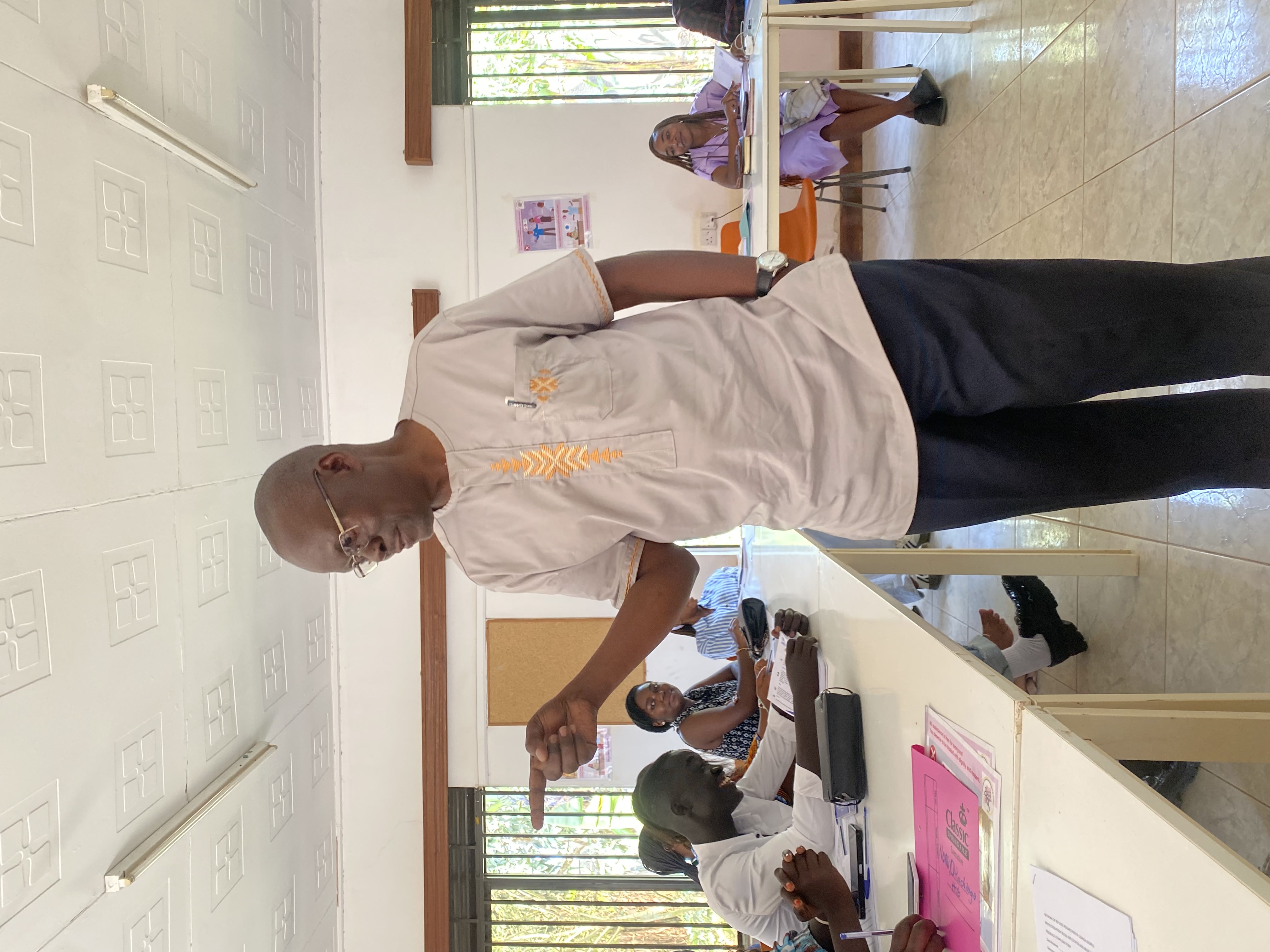
How collaboration works in practice
From joint research design to shared advocacy, every partnership is built on mutual respect, clear roles and a shared commitment to refugee-led evidence.
We welcome academic partners, NGOs, donors and refugee-led organisations who want to co-create knowledge that informs programmes and policy.
Forms of Collaboration
Joint Research
Co-designed studies with shared ownership of methods, data and findings.
Capacity Building
Training, mentoring and peer learning for refugee researchers and partner staff.
Knowledge Sharing
Workshops, publications, policy briefs and community feedback sessions.
Advocacy
Joint advocacy that uses evidence to influence programmes and policy.
Interested in collaborating?
Whether you represent a university, NGO, donor or refugee-led organisation, we would like to hear from you.